Coastal protection
Coastal AC protection for salt air
Salt film is a maintenance fact within a mile or two of open water. It is not a slogan for every lot in St. Lucie County. This service is the rinse, the inspection, and the equipment choices that match that map.
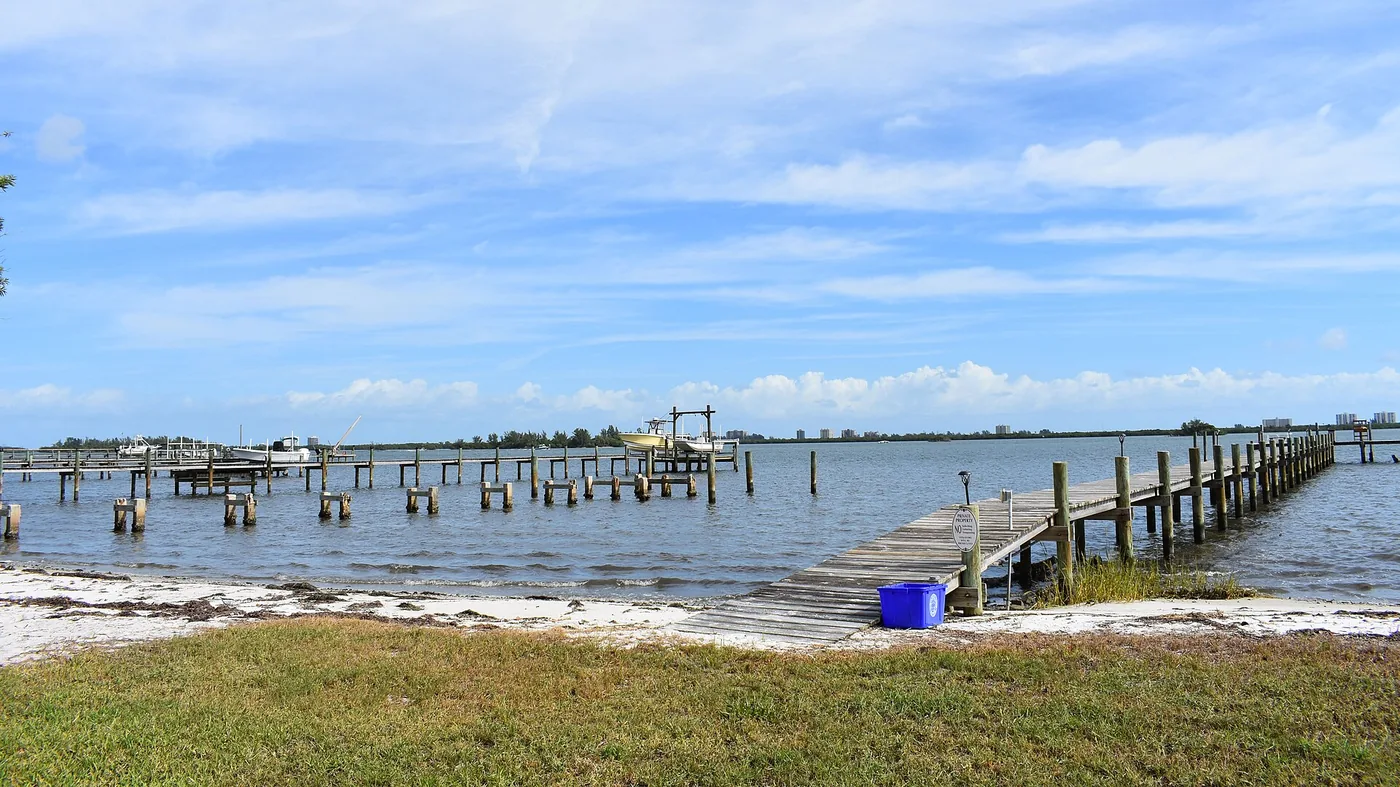
What we’d tell you first
Plain notes, the way a tech would say them on the phone. Then call or book if you want someone at the house.
- 1
Film versus rot
White dust on the coil can rinse off. Green pits and flaking fins are corrosion. Rinsing on a schedule slows the first one. It does not rebuild the second.
- 2
Not every lot is coastal
Fort Pierce waterfront and Intracoastal lots need this. Most inland Port St. Lucie, Tradition, and Verano lots do not need a beach rinse plan.
- 3
Electrical parts go with the coil
Salt and storms eat contactors and disconnects. A rinse visit should include a look at those, not only the fins.
Who actually needs it
Fort Pierce Intracoastal homes, near-water lots, and equipment that sits in salt spray. Condenser coils, contactors, and disconnects fail sooner there. A rinse schedule is ordinary care.
Most of inland Port St. Lucie, Tradition, Verano, and many St. Lucie West lots usually need airflow and humidity attention more than a marine coating. We will not sell the beach package to a house that does not see salt spray.
- Coil inspection and a rinse when film is present
- A straight answer when the fins are already gone
- Coastal-rated coils on replacement, only in the salt zone
What a rinse cannot do
It cannot rebuild flaking aluminum. When the coil is pitted through, the conversation moves to replacement. Pretending otherwise wastes a summer.
Questions we’d answer on the phone
The short version before anyone is standing in the yard.
How often should a waterfront coil be rinsed?
More often than an inland condenser. The interval depends on how open the water is and how the unit sits on the pad. We set it after we see the equipment, not from a postcard.